The Balkans are one of Europe's best-value, least-crowded regions — and one of the most rewarding to tour by road. But planning a multi-country trip from the United States can feel daunting: unfamiliar airports, several currencies, border crossings, and a dozen countries to choose from. This step-by-step guide breaks the process down so you can plan with confidence.
Step 1: Decide how much time you have
Your available vacation time shapes everything else.
- 7–9 days: Focus on three or four neighbouring countries — for example the Adriatic coast (Croatia, Bosnia, Montenegro) or the southwest (North Macedonia, Kosovo, Albania).
- 12–14 days: The ideal window. Two weeks lets you cross the region properly and see six or seven countries without rushing. Our 14 Days Balkan Tour is built for exactly this.
- 16+ days: Add depth — more time on the coast, a themed detour, or an extra country or two.
For most American travelers making the long flight over, two weeks is the sweet spot: enough to justify the journey, short enough to fit a standard vacation.
Step 2: Choose your route and countries
The Balkans reward a one-way, border-crossing route rather than a single base. Popular anchors include:
- The classic arc: Bulgaria → North Macedonia → Kosovo → Montenegro → Bosnia → Croatia → Slovenia.
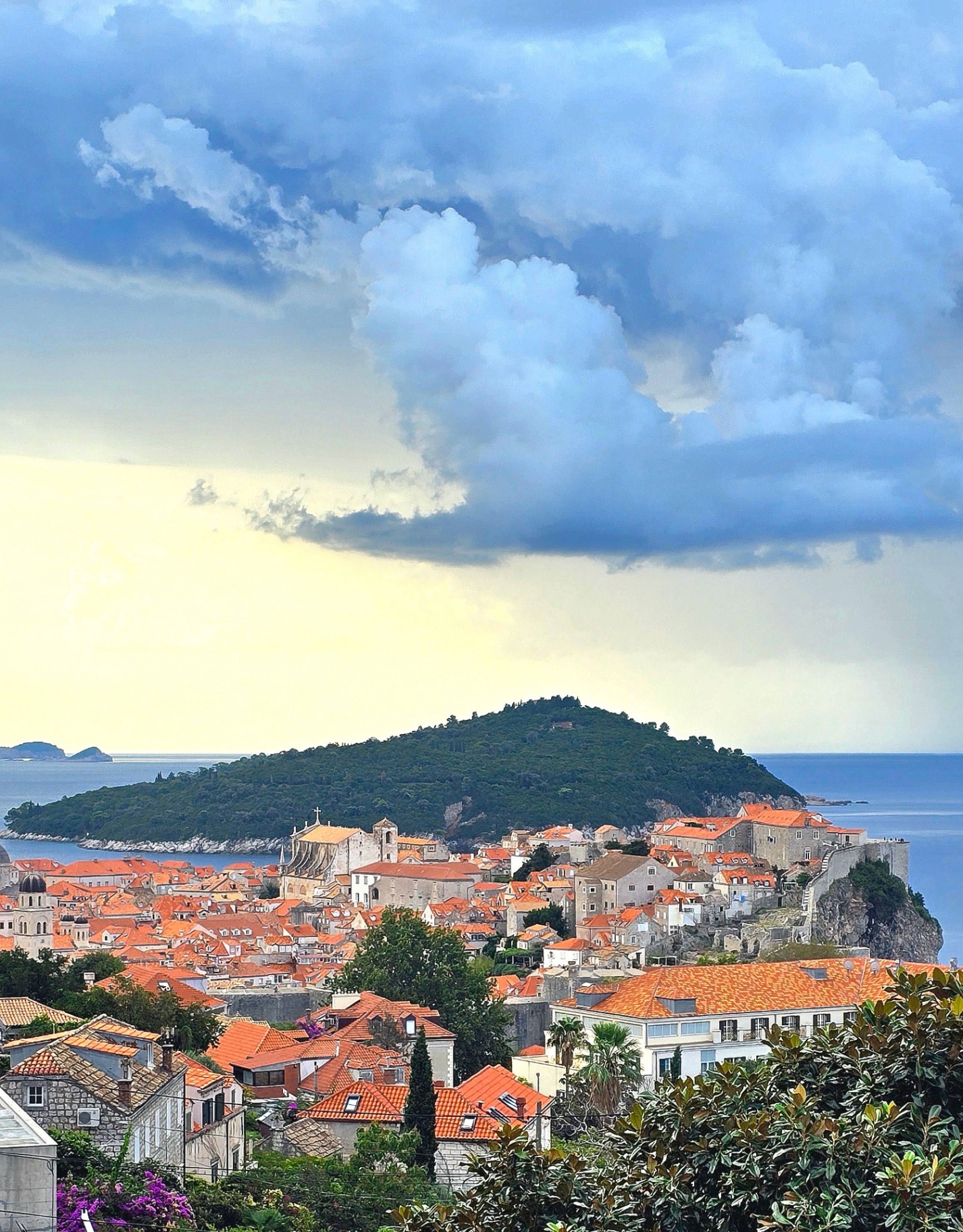
- The Adriatic: Croatia, Montenegro and Bosnia, heavy on coastline and old towns.
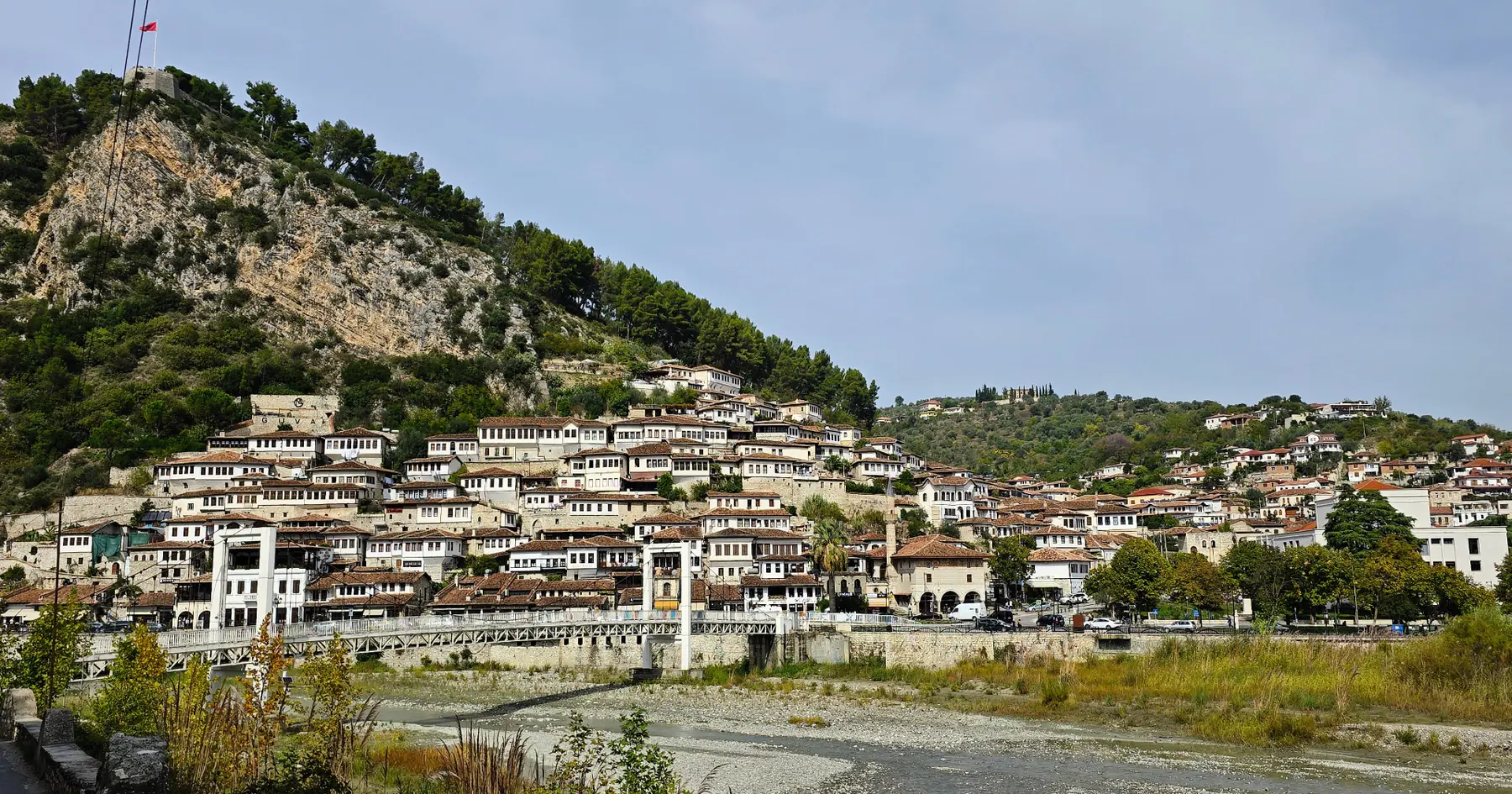
- The southwest: North Macedonia, Kosovo and Albania — lakes, mountains and Ottoman heritage.
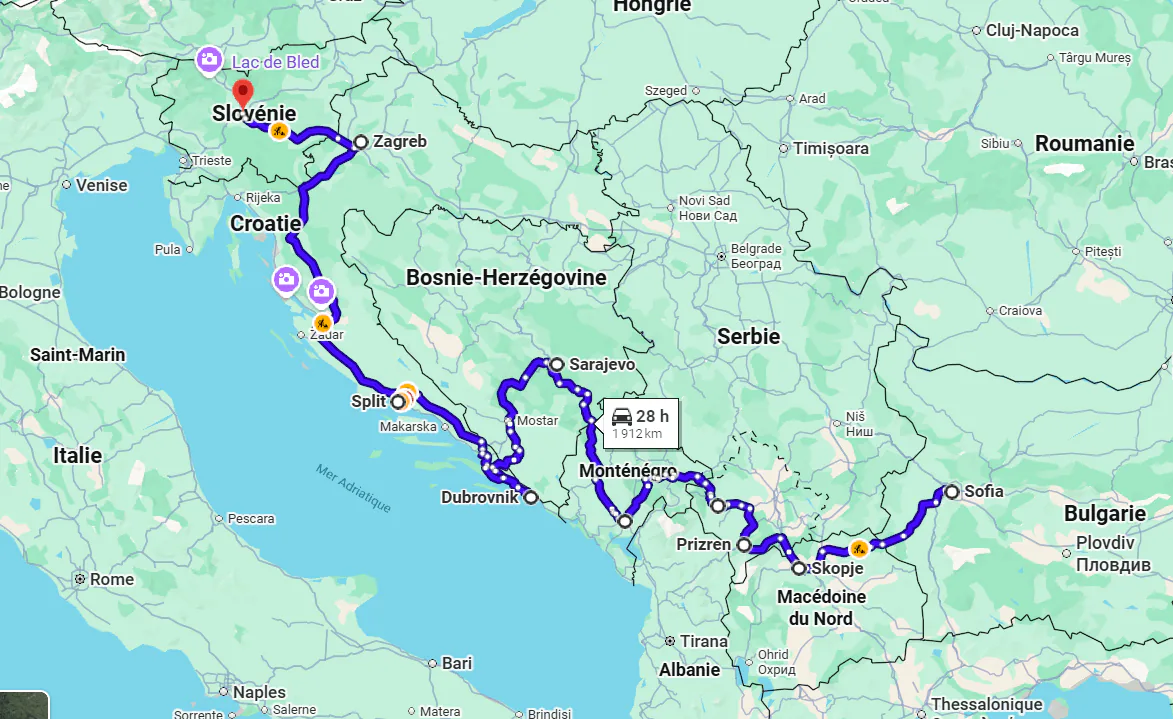
Browse the destinations to see what each country offers, then decide whether you want a broad sweep or a deeper focus. If you're unsure, this is exactly where a local operator earns its keep — we'll match the route to your interests.
Step 3: Book smart flights (open-jaw is your friend)
Because the best Balkan routes are one-way, you'll usually save time and backtracking by flying into one city and out of another — an open-jaw ticket. For the classic arc, that means flying into Sofia and home from Ljubljana (or the reverse).
From the USA, expect one connection through a major European hub (Frankfurt, Munich, Vienna, Istanbul, Zurich or similar). There are no direct flights from North America to most Balkan capitals, so build in a connection and a little buffer.
Step 4: Pick the best time to travel
- May–June and September–October are ideal: warm days, comfortable evenings, thinner crowds and excellent light for the coast and lakes.
- July–August is hot and busy on the Adriatic (Dubrovnik, Split) but fine inland and in the mountains.
- Winter is quiet and atmospheric but limits coastal and hiking plans.
If your trip includes seasonal highlights — Bulgaria's rose harvest in late spring, for instance — mention it early so the timing can be planned around it.
Step 5: Set a realistic budget
The Balkans are noticeably cheaper than Western Europe. Your main costs are international flights, accommodation, a guide and transport, meals, and entrance fees. A guided private or small-group tour bundles the transport, driving, guiding and logistics into one price — which, once you factor in the value of not renting a car and navigating borders yourself, is often the most efficient way to go. Compare options on our tours page.

Step 6: Sort the practical details
- Visas: US passport holders can visit the Balkan countries visa-free for tourism (short stays). Check that your passport has at least six months' validity.
- Currencies: Some countries use the euro; others use their own currency. On a guided tour you rarely need to worry about this day to day.
- Borders: You'll cross several. With a private driver-guide, crossings are straightforward and handled for you.
- Connectivity: An eSIM with regional coverage keeps you online across borders without swapping SIM cards.
Step 7: Decide between DIY and a guided tour
You can self-drive the Balkans, but many first-time visitors find the combination of multiple borders, languages, alphabets and mountain roads more stressful than relaxing. A guided tour removes that friction: local guides, a driver, pre-arranged hotels and a route that actually works. Since 2014 we've specialised in exactly this — private and small-group trips that turn a complicated multi-country logistics puzzle into a seamless journey. You can read more about us and how we work.
A simple planning checklist
- Lock your travel dates and total number of days.
- Choose broad sweep vs. deep focus.
- Price open-jaw flights into/out of your chosen anchor cities.
- Confirm the best season for your highlights.
- Set your budget and compare guided vs. DIY.
- Check passport validity.
- Get a route proposal and refine it.