For most of the 20th century, seven of today's Balkan nations were one country: Yugoslavia. Held together by the singular figure of Marshal Josip Broz Tito, it was a socialist federation that charted its own path between East and West — and left behind a legacy still alive in the memories, monuments and stories of the region. Our Titoslavia Tour follows that legacy across the lands Tito once ruled, tracing his rise, his reign and his fall.
This is history you can't read the same way from a book. It's told in mausoleums and monuments, in a prison island and a hidden airbase, by guides whose own families lived through it.
Who was Tito — and why "Titoslavia"?
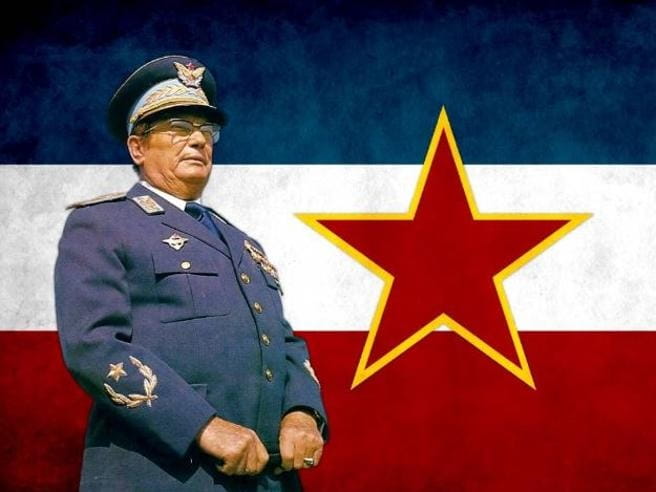
Tito was the father of socialist Yugoslavia: partisan commander, president-for-life, and one of the most recognisable statesmen of the Cold War. He built a federation of six republics and kept it independent from Soviet control, becoming a leading voice of the Non-Aligned Movement. To millions he remains a beloved figure; to others, the architect of a one-party state. Either way, his fingerprints are everywhere across the former Yugoslavia — which is exactly what this themed route explores.
What the tour covers
The Titoslavia Tour crosses seven countries — Serbia, Croatia, Slovenia, Bosnia & Herzegovina, Montenegro, Kosovo and North Macedonia — following the arc of Yugoslavia's story. Highlights include:
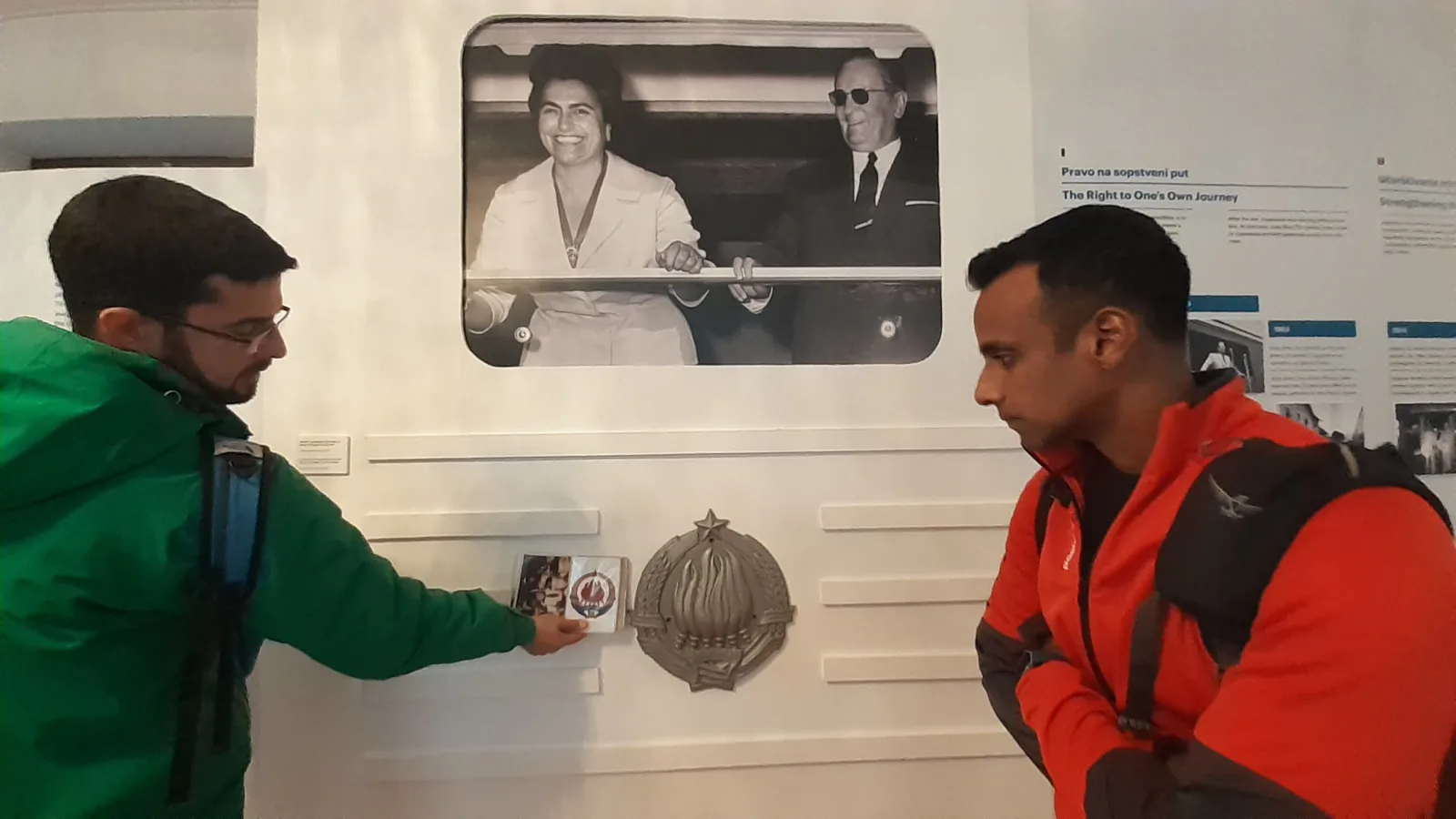
- Belgrade — We begin in the capital of the former federation, at the House of Flowers, Tito's mausoleum, and the Museum of Yugoslavia, then explore the socialist-era architecture of New Belgrade.
- Zagreb — Croatia's capital and an important Yugoslav city, seen through the lens of the federation it once belonged to.
- Kumrovec — The small village where Josip Broz Tito was born; we visit his childhood home and hear the tangled myths of his early life.
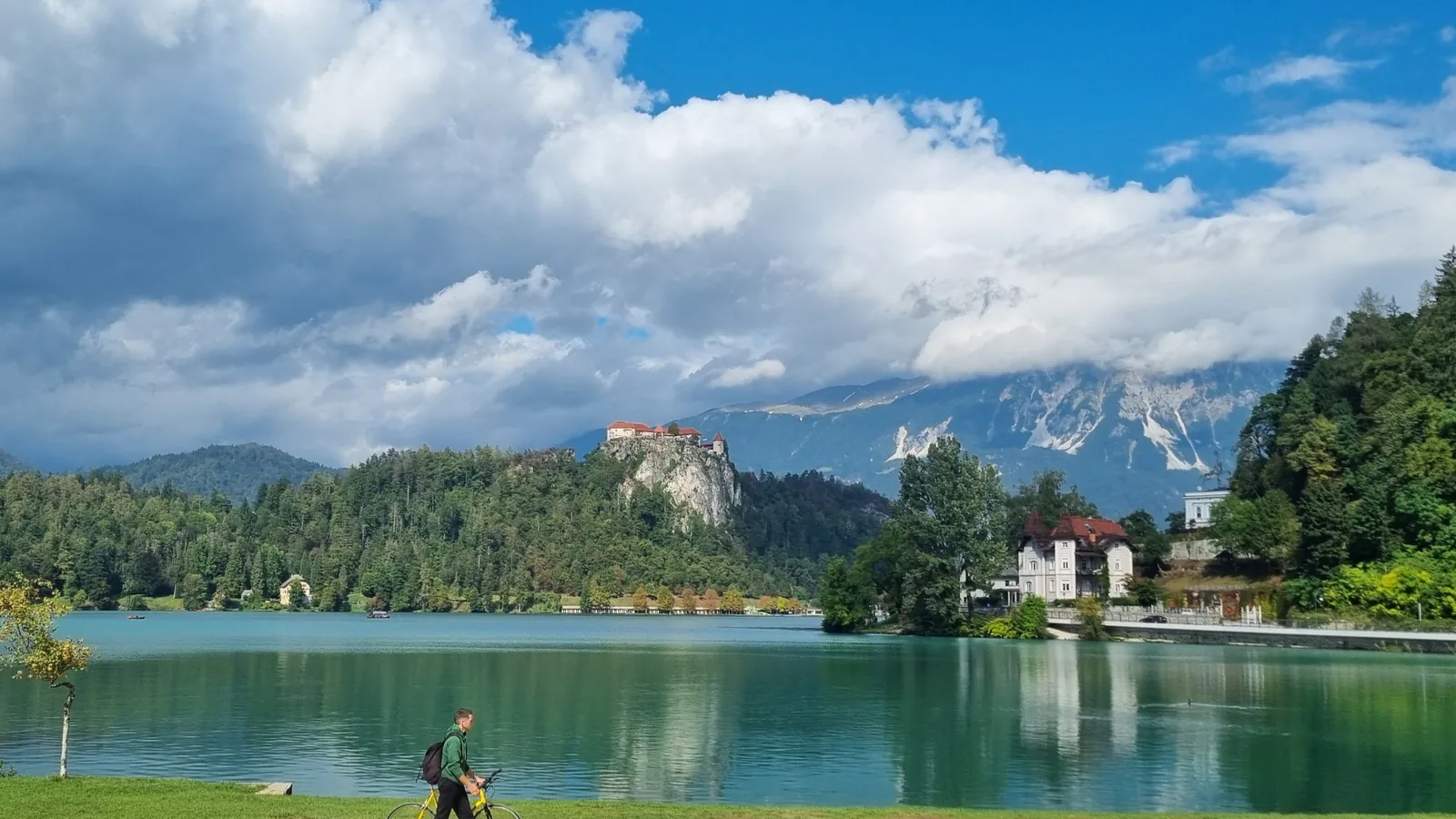
- Lake Bled — The stunning Slovenian lake that hosted one of Tito's official residences.
- Rijeka & Goli Otok — The Croatian port, Tito's presidential boat, and the notorious Goli Otok prison island, where the regime silenced its opponents — a sobering counterpoint to the nostalgia.
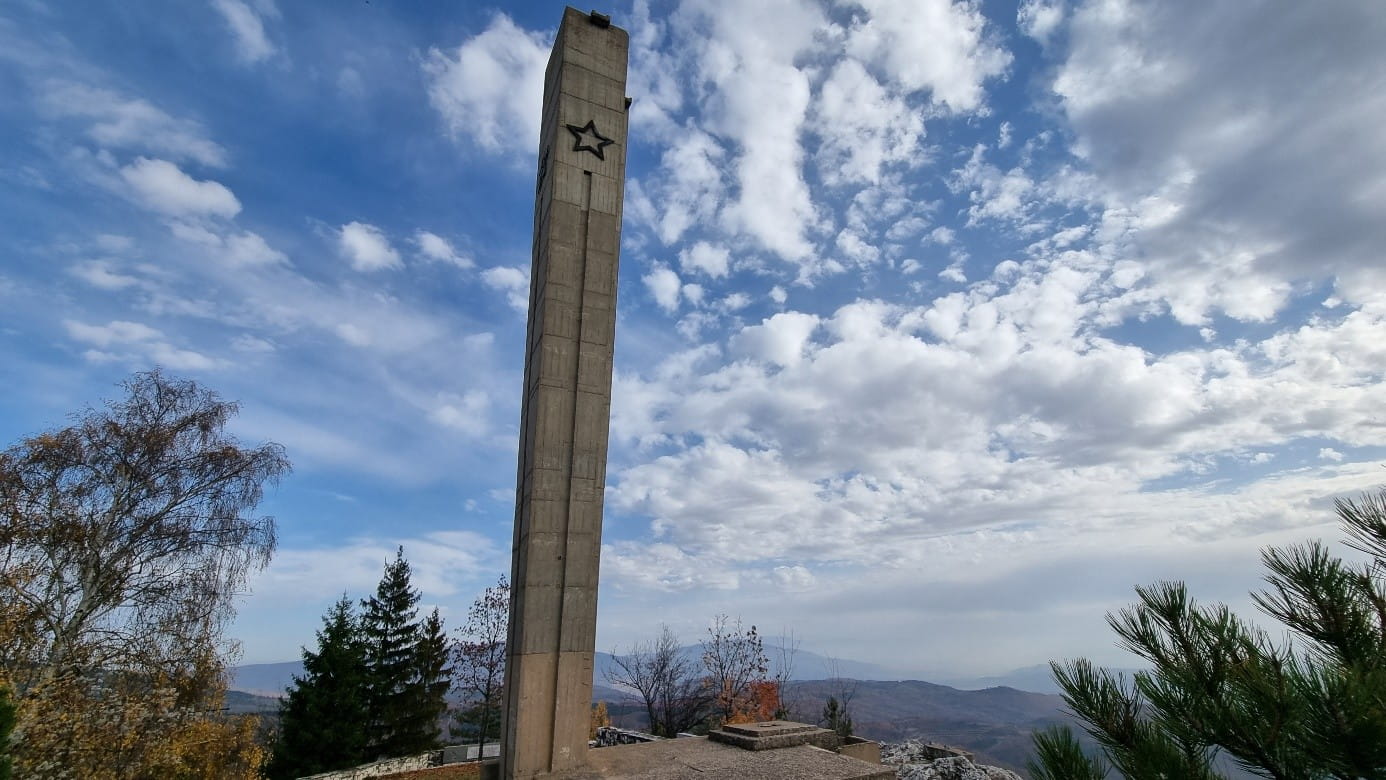
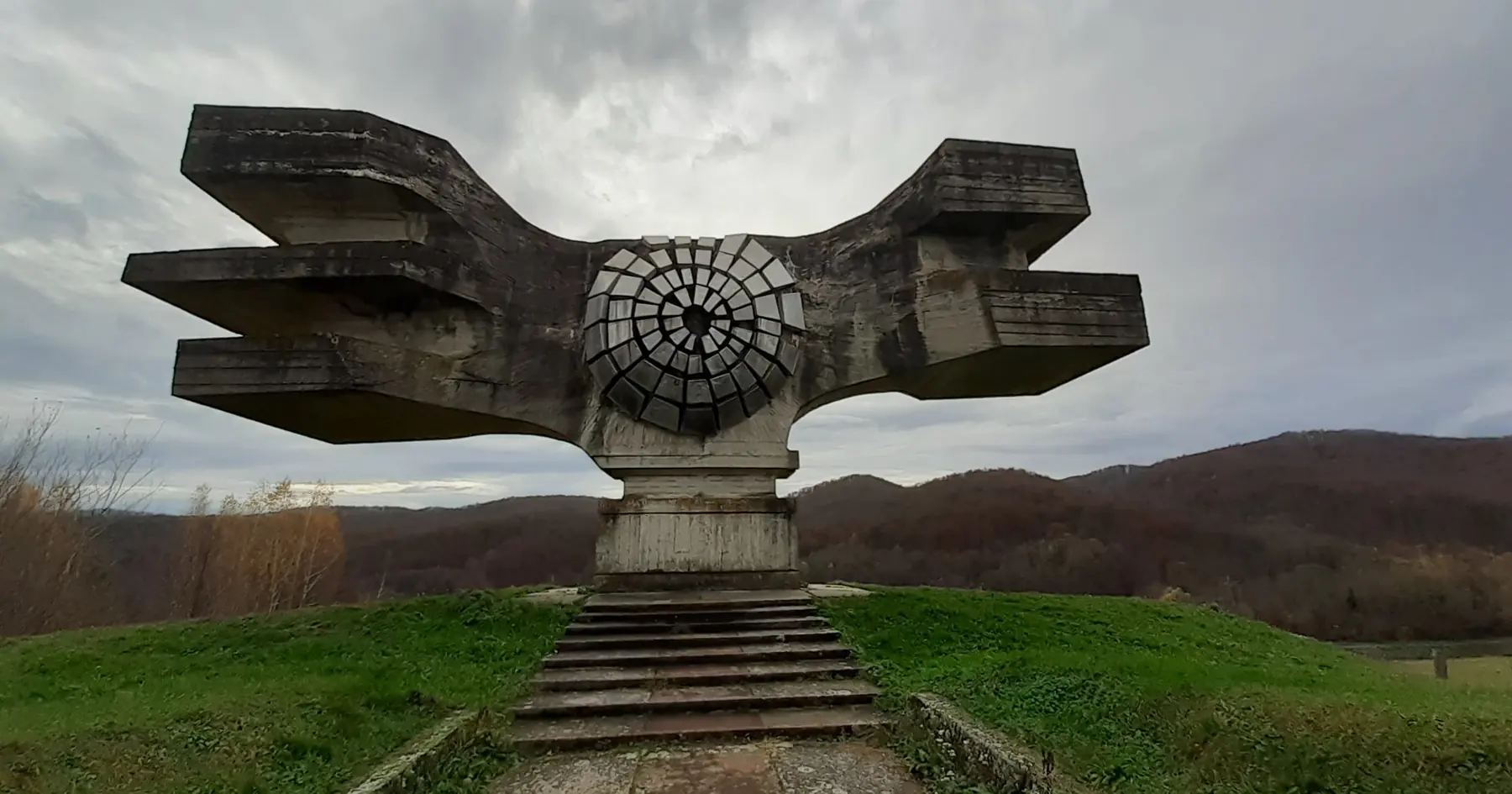
- Monuments & relics — From the striking Sutjeska memorial to a Cold War airbase and the remnants of the Yugo car industry, the route is dotted with the concrete-and-steel poetry of the socialist era.
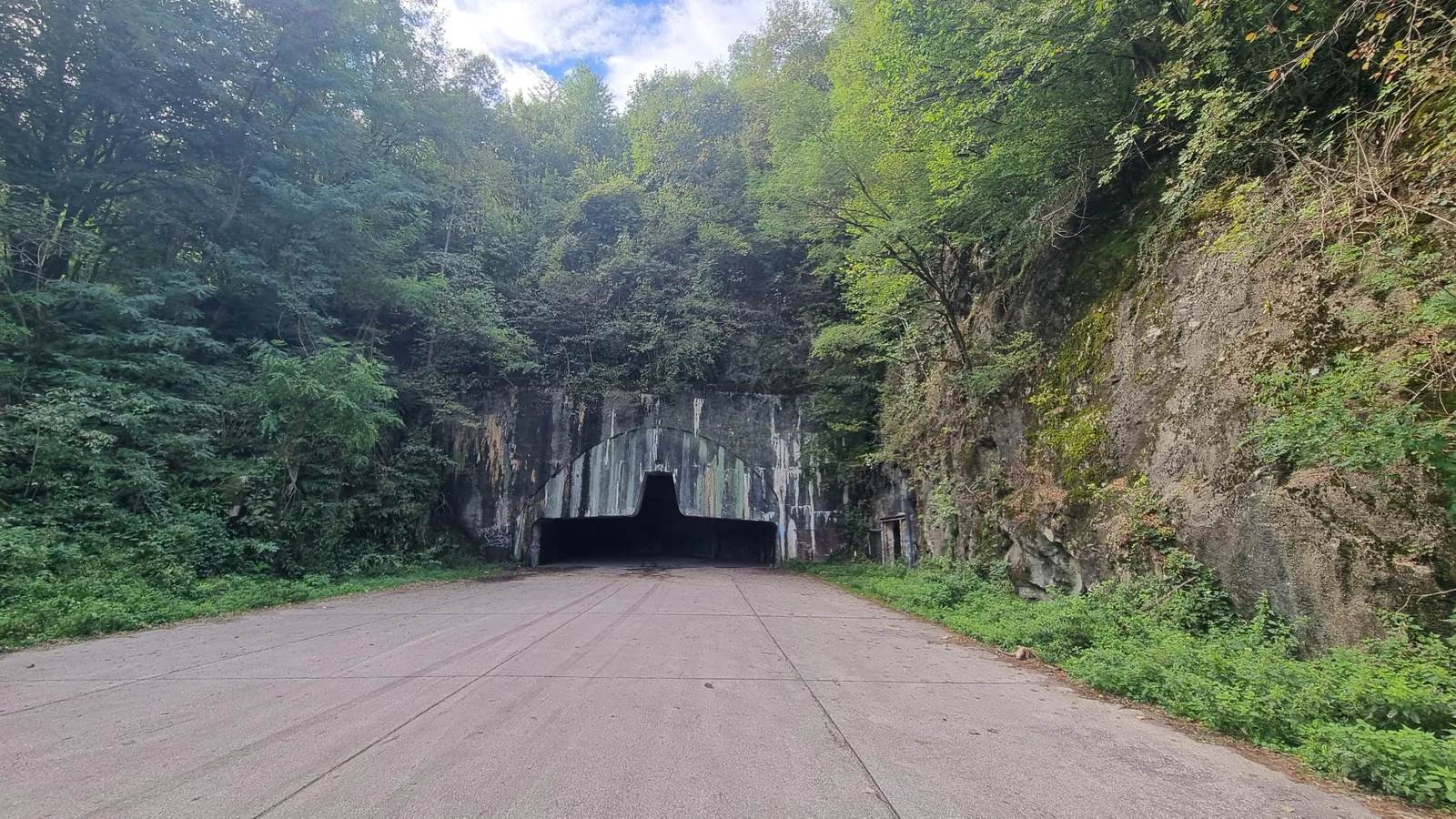
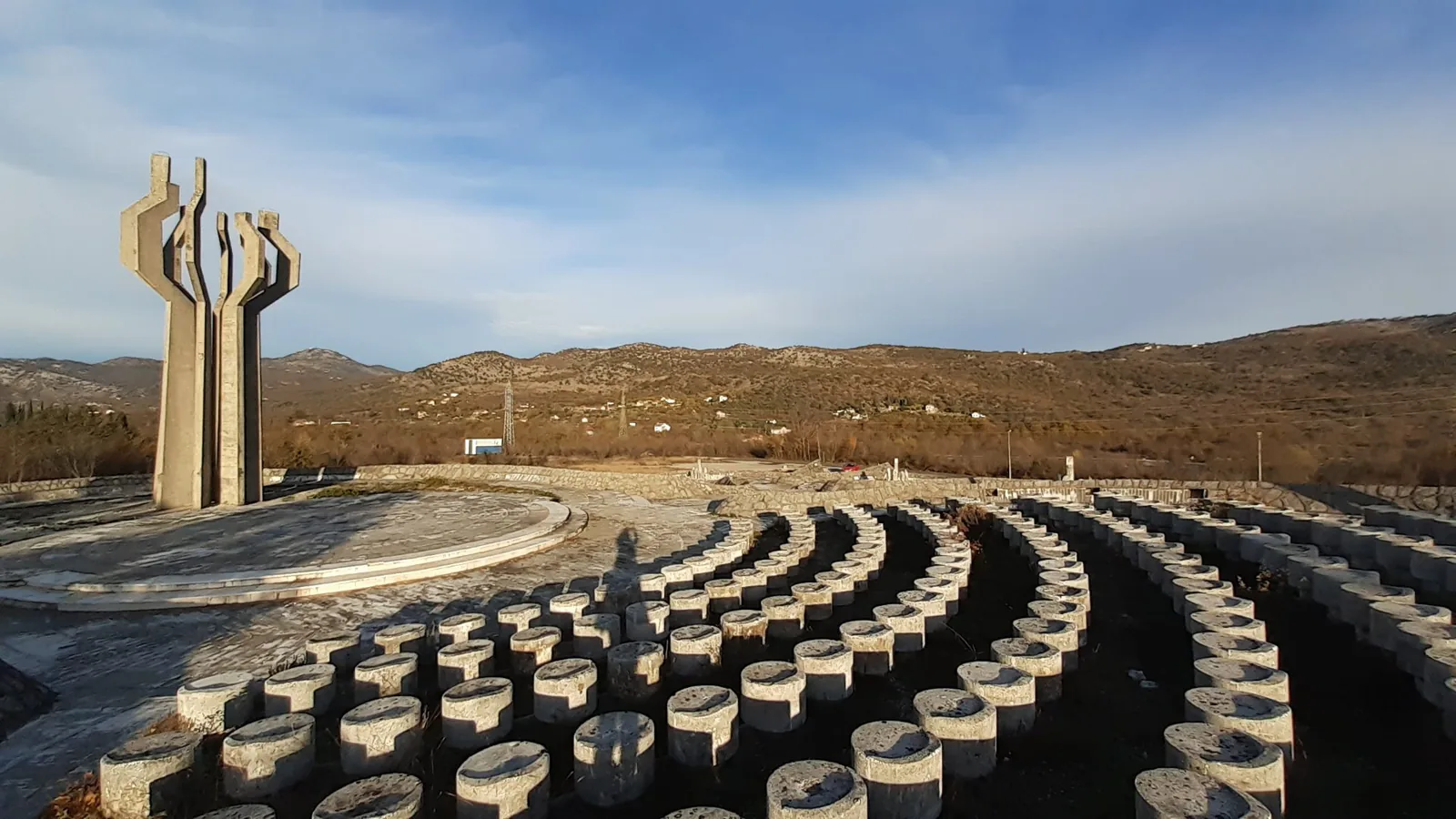
You can see the full itinerary and route map on the tour page.
Why this kind of themed tour matters
A standard Balkan sightseeing trip shows you what the region looks like. A themed heritage tour explains why it looks that way — why borders sit where they do, why one square is Habsburg and the next is Ottoman or Brutalist, why neighbours share a language but not a memory. Understanding the Yugoslav century is one of the best keys to understanding the modern Balkans.
It's also a story told with nuance. We don't sand off the hard edges — the prison island and the propaganda sit alongside the genuine achievements and the genuine affection many still feel. That honesty is what makes the trip resonate with thoughtful travelers, history buffs and anyone curious about how a country can both build and unravel within a single lifetime.
Who it's for
The Titoslavia route is ideal if you:
- Are fascinated by 20th-century history, the Cold War or the Non-Aligned Movement
- Have visited the "greatest hits" of Europe and want something with more depth
- Enjoy design, architecture and monuments (the socialist-modernist "Spomenik" style has a cult following)
- Want to understand the Balkans, not just photograph them
Pair it with Bulgaria's socialist story
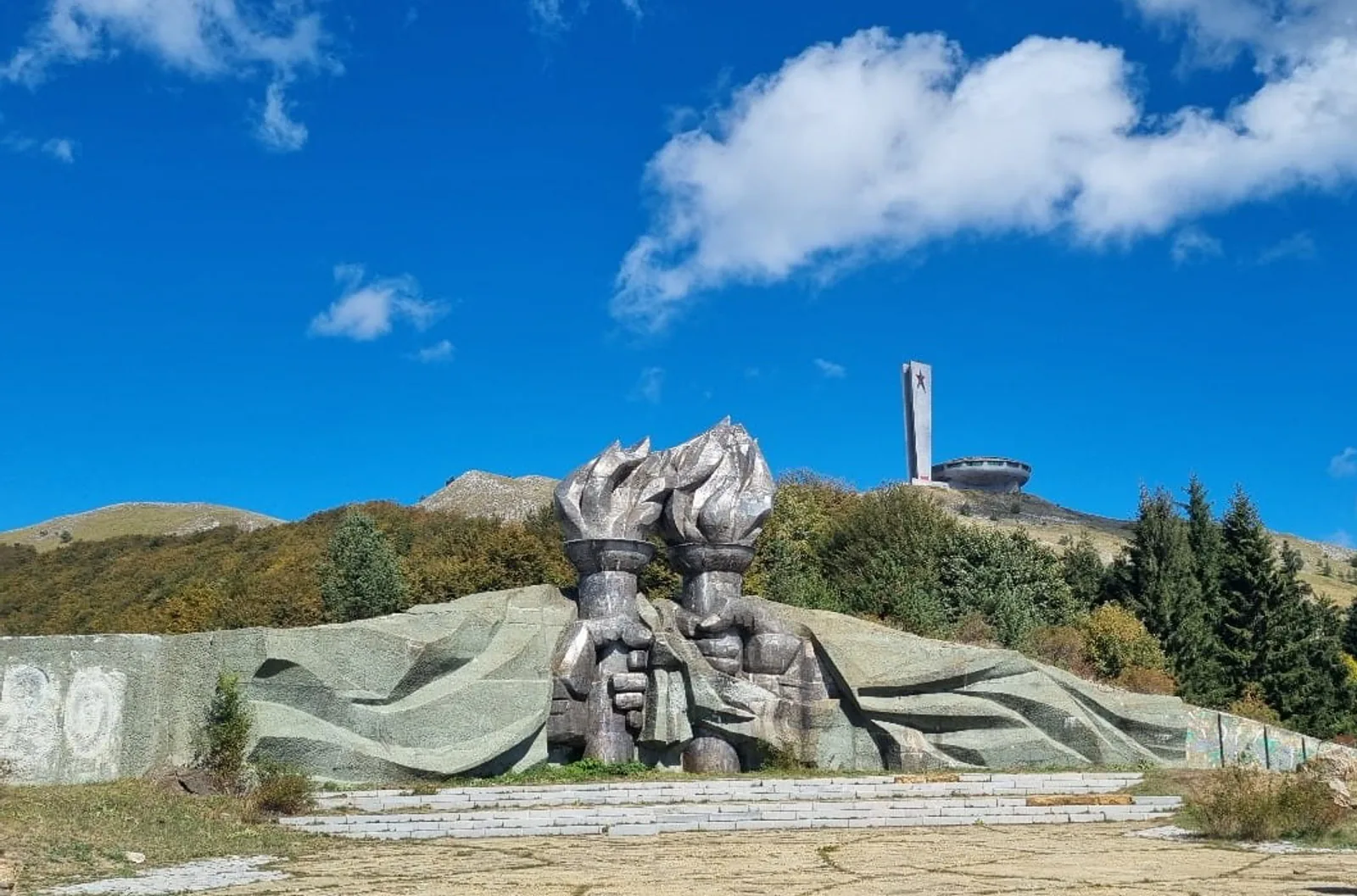
If the theme grabs you, there's a natural companion trip just to the east. Our Socialist Bulgaria: Monumental Art tour explores the extraordinary monumental art the communist regime left behind — from the UFO-like Buzludzha monument to the industrial towns of the era. Together, the two routes make a remarkable deep-dive into the region's socialist century.
Practical notes
- Countries: Serbia, Croatia, Slovenia, Bosnia & Herzegovina, Montenegro, Kosovo and North Macedonia — all covered on our destinations pages.
- Style: Private and small-group, fully customizable — lean harder into the history, or balance it with the region's natural highlights.
- Best time: Spring and fall offer the most comfortable travel across this wide, road-based route.