Of all the countries in Southeast Europe, Albania is the one travelers most often overlook — and most often fall in love with once they arrive. For decades it was closed off to the outside world, which means it has stayed refreshingly authentic while its neighbours filled up with crowds. If you're planning a Balkan trip and wondering whether Albania is worth the detour, here are the reasons it deserves a place on your itinerary.
It's the Balkans before the crowds
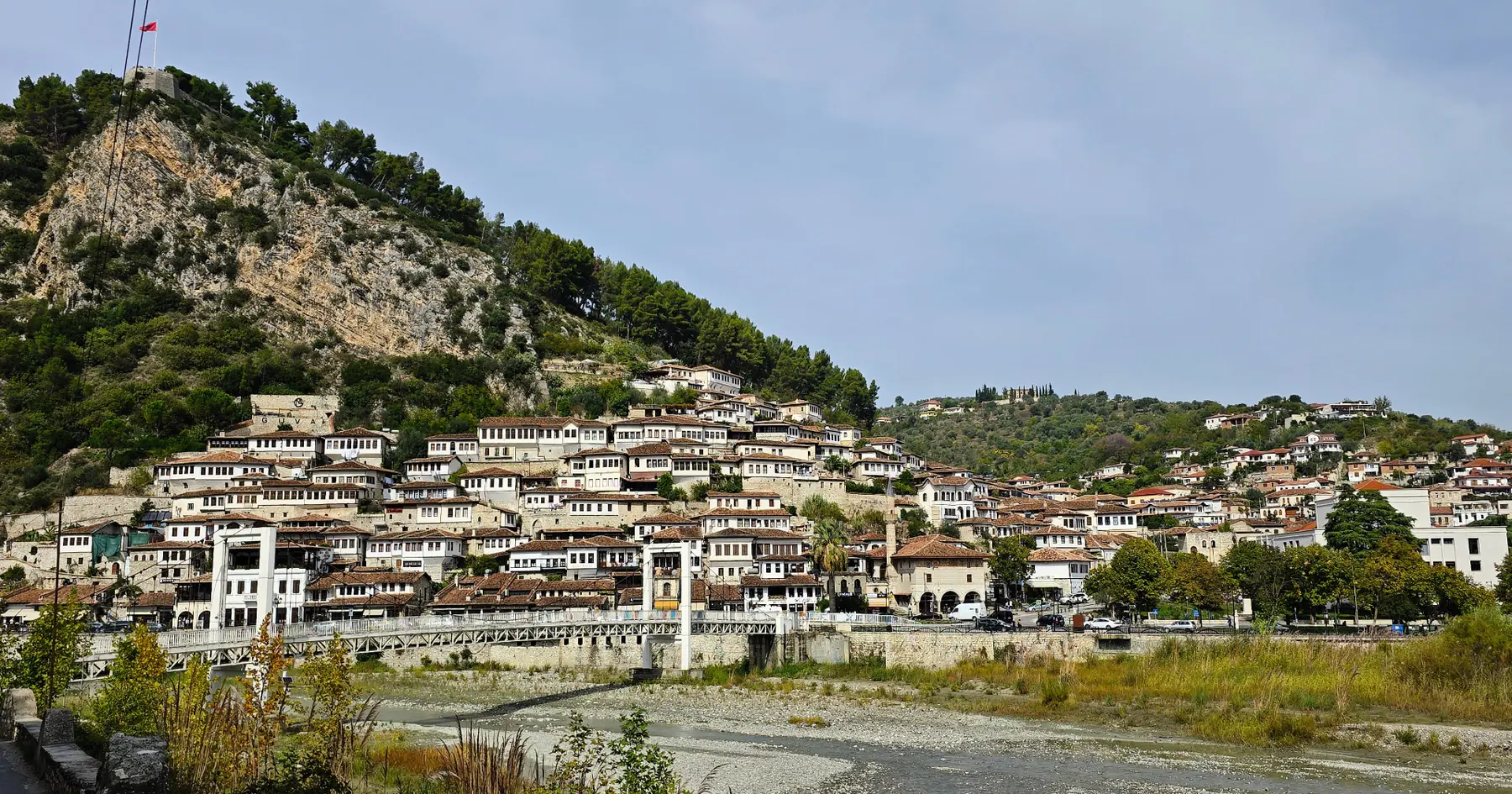
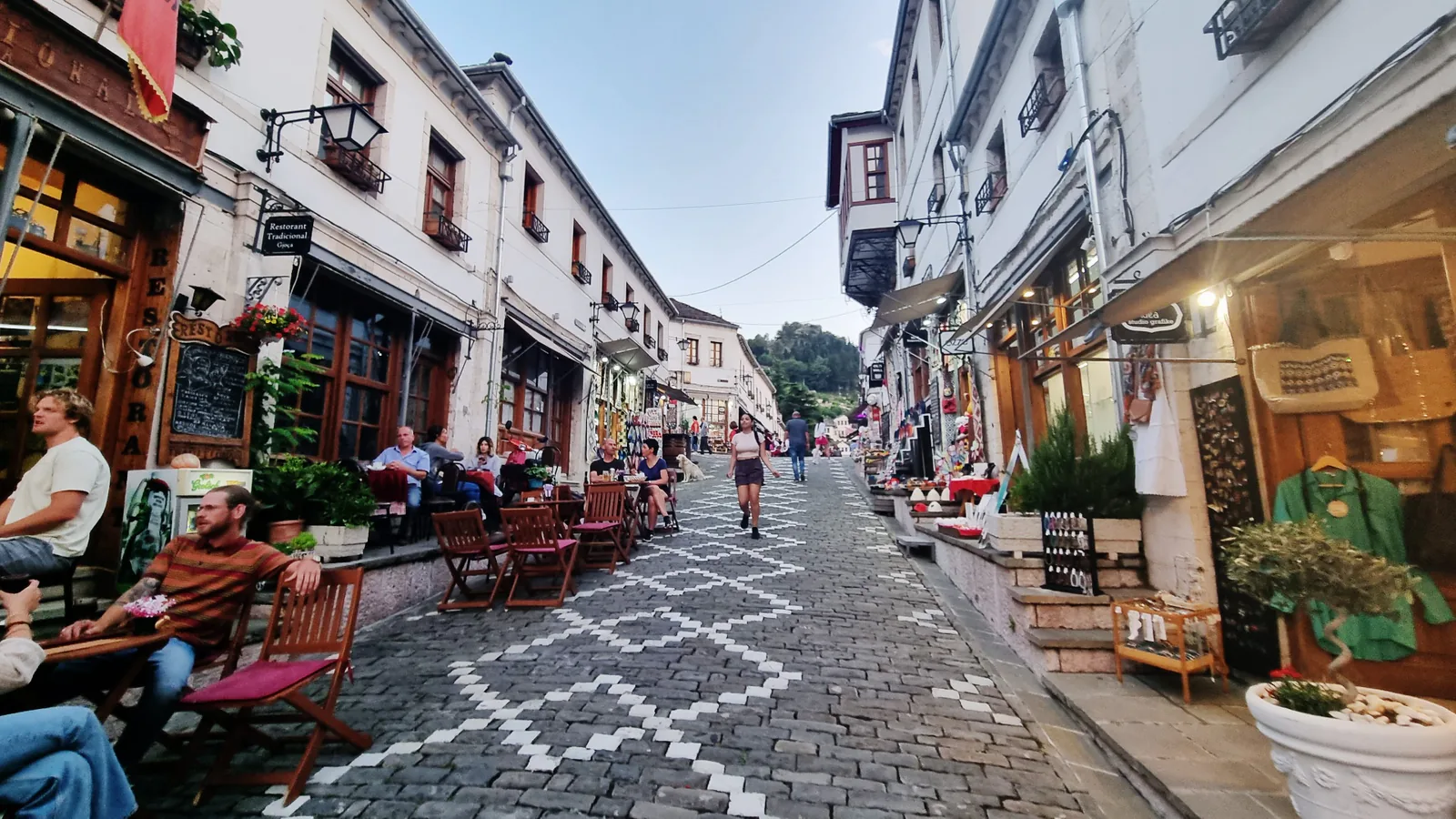
Albania offers much of what draws people to Croatia or Greece — turquoise coastline, ancient ruins, mountain villages — but with a fraction of the visitors and prices. Walk through a UNESCO old town like Berat or Gjirokastra and you're seeing living heritage, not a theme-park version of it. For travelers who want the region to feel like a discovery, Albania delivers.
A genuinely stunning coastline
The Albanian Riviera is one of the Mediterranean's last under-developed stretches of coast. Dramatic passes like the Llogara descend to clear-water bays and quiet beaches. It's the kind of scenery people assume they need to fight through crowds to reach — and here, they mostly don't.
Layered history you won't find elsewhere
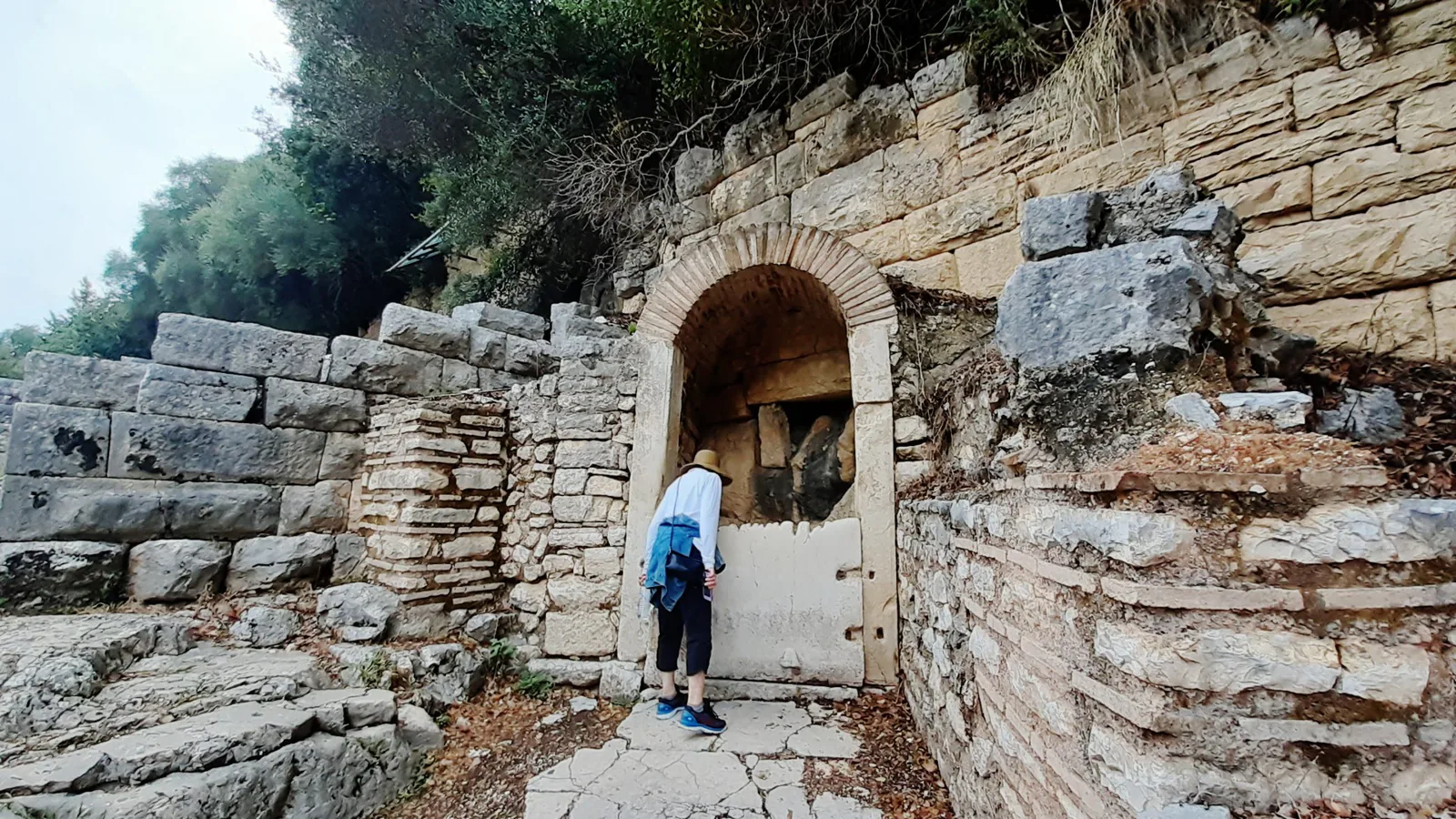
Few countries pack in so many stories. Greek and Roman ruins at Apollonia. Ottoman-era bazaars and mosques. Cold War relics — including the bunkers built in their tens of thousands under the paranoid dictator Enver Hoxha. It's a history that surprises almost everyone, and it pairs naturally with the heritage of neighbouring Kosovo and North Macedonia.
It connects beautifully with its neighbours
Geographically, Albania is the natural third leg of a southwest Balkan loop. Our Southwest Balkans Tour crosses North Macedonia, Kosovo and Albania in one seamless route, taking in Lake Ohrid, Matka Canyon, Skopje's old bazaar, the Visoki Dečani Monastery, and Albania's Berat, Gjirokastra and Riviera. Adding Albania doesn't mean a hard detour — it means completing a circle.
The food and hospitality
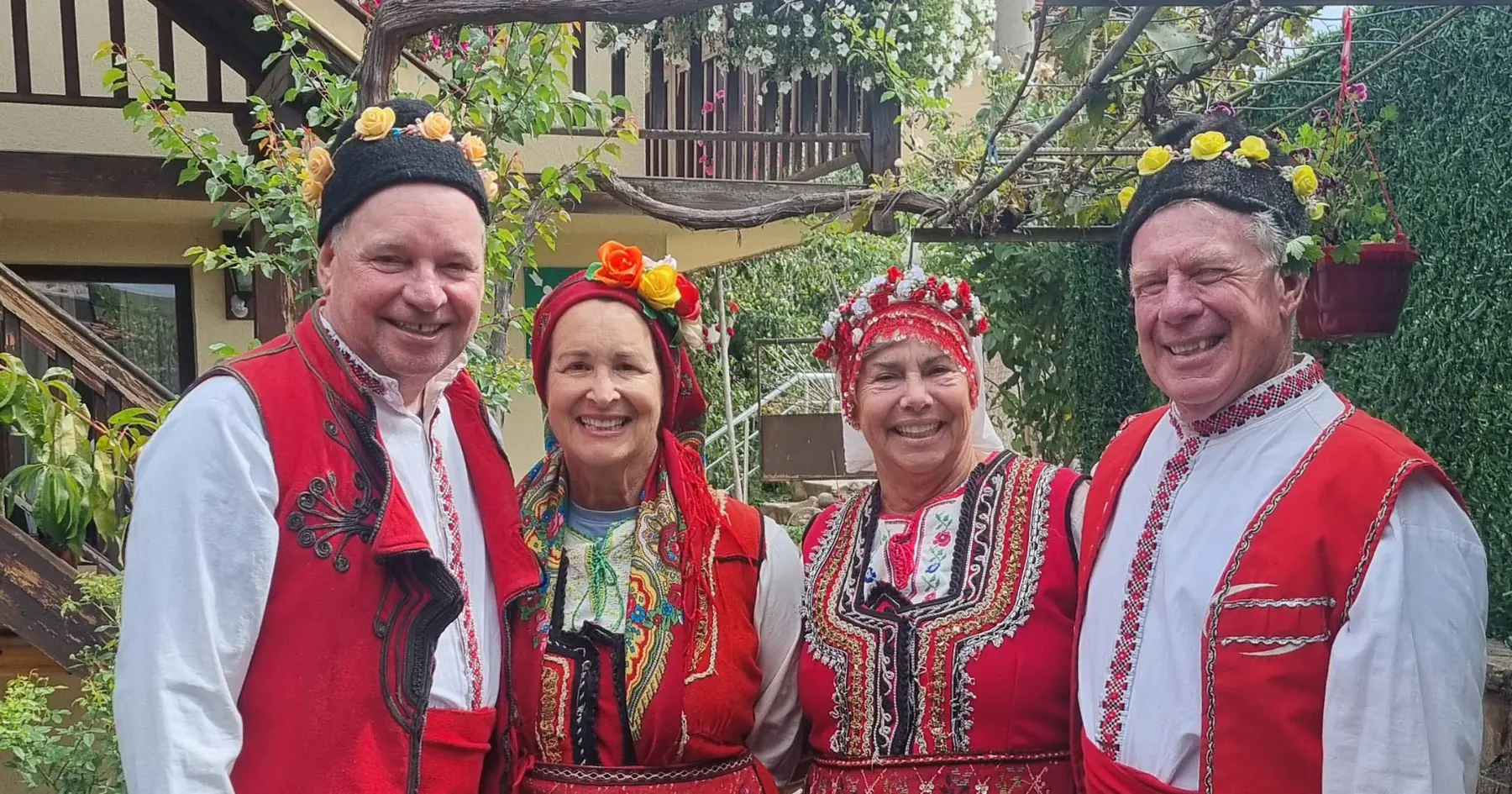
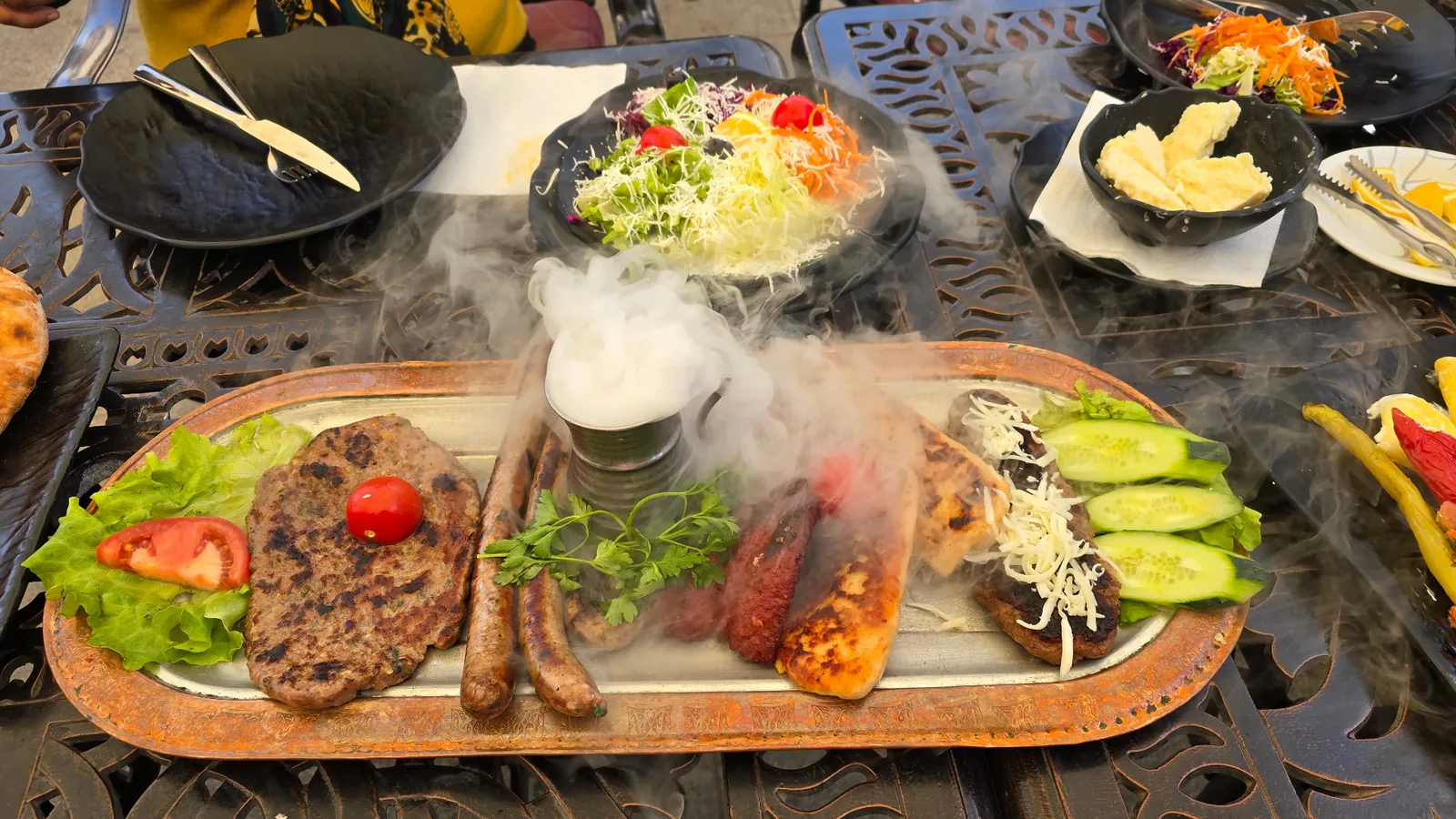
Albanians are famous for besa — a code of honour that treats guests as sacred. In practice, that means some of the warmest hospitality in Europe: home-style cooking, fresh Mediterranean ingredients, strong coffee culture, and hosts genuinely delighted that you came. It's a highlight travelers rarely expect and always remember.
Incredible value
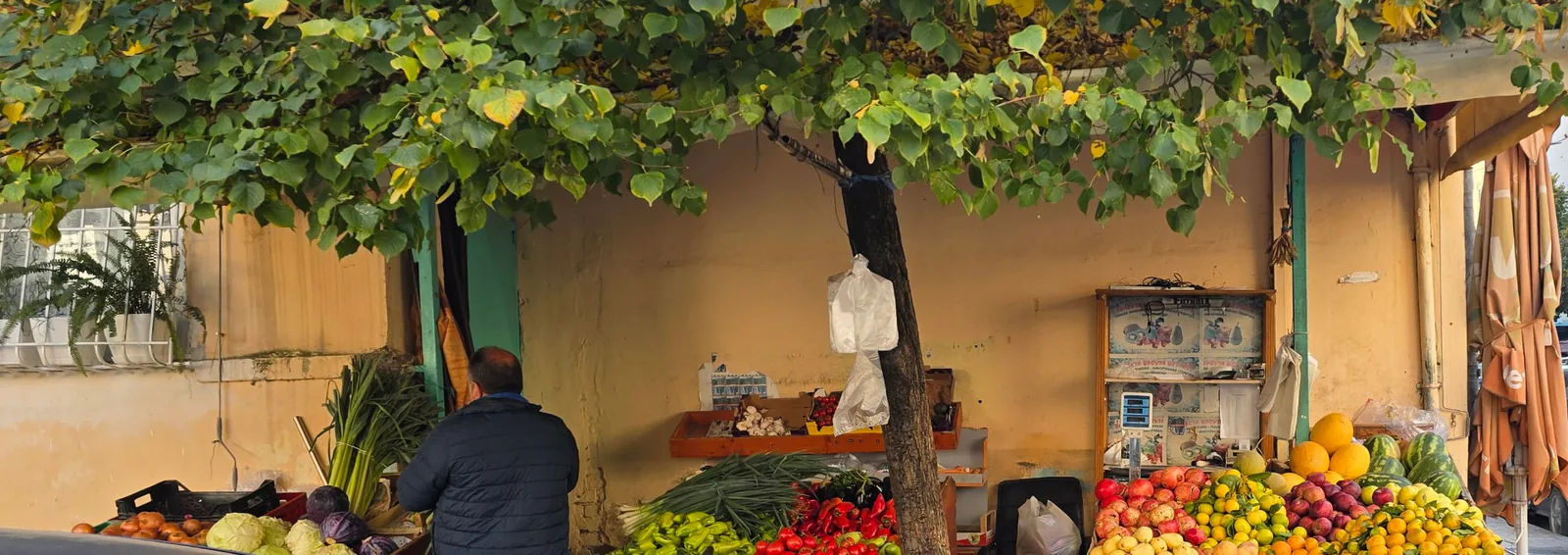
Because Albania sits outside the euro and off the mass-tourism track, your money goes remarkably far — on meals, guides and stays alike. It's one of the reasons a Balkan itinerary that includes Albania often feels like better value than a comparable trip in Western Europe.
Lake Ohrid and the border scenery
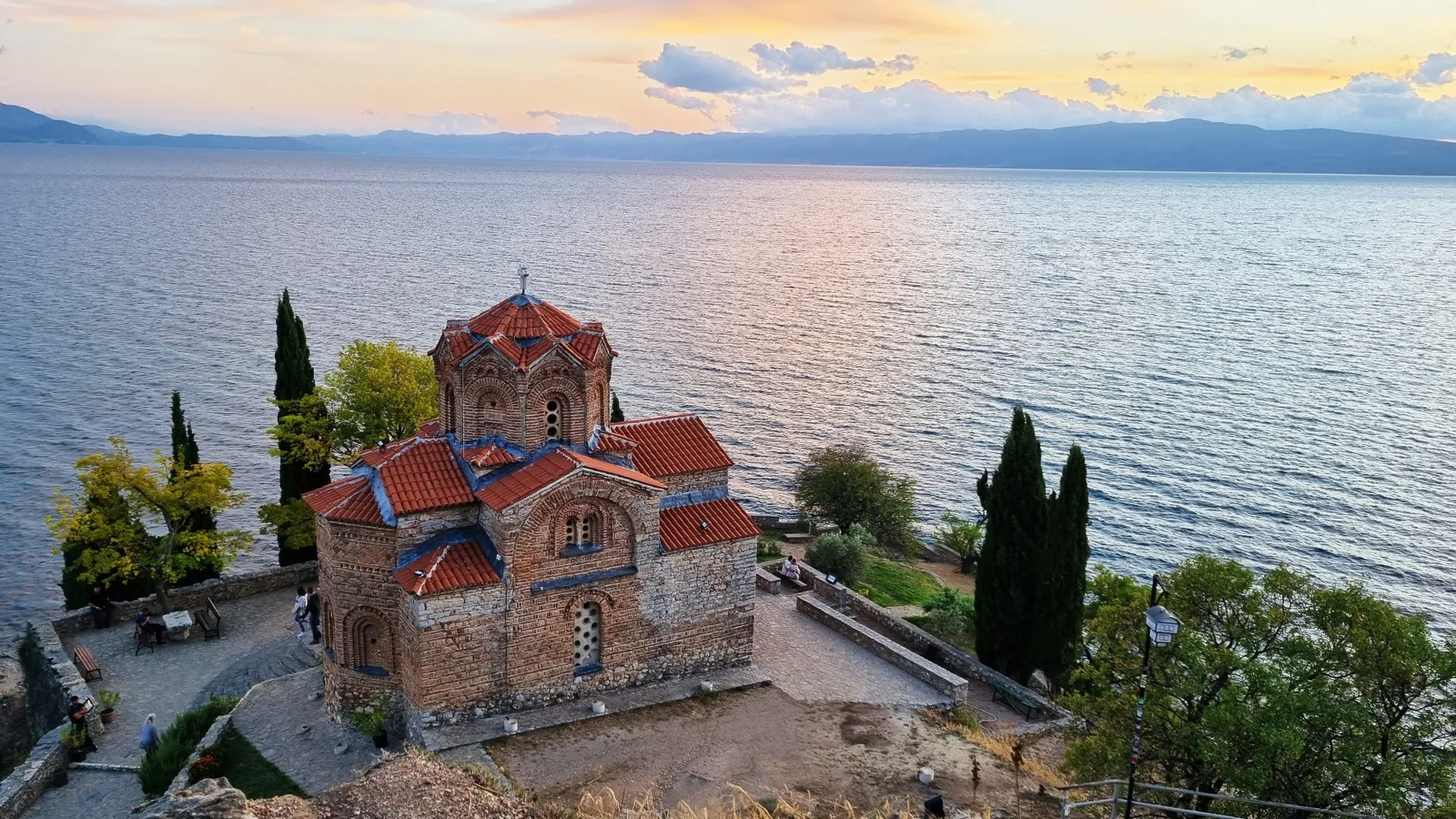
On the way in or out, the region around Lake Ohrid — one of the oldest and deepest lakes in Europe, shared between North Macedonia and Albania — is a genuine highlight. Ancient churches, a lakeside old town and a 4th-century-BCE theatre make it a fitting gateway between countries.
When is the best time to visit Albania?
Albania is best in mid-to-late spring and mid-to-late fall, when the coast is warm but not crowded and the mountain roads are comfortable. Peak summer is lovely on the Riviera but hotter inland — timing that fits neatly into a wider Balkan itinerary planned for the shoulder seasons.
How to include Albania in your trip
You have two easy options:
- A focused southwest loop — combine Albania with North Macedonia and Kosovo on our Southwest Balkans Tour. It's the most efficient way to experience Albania's highlights alongside its neighbours.
- A custom extension — add a few Albanian days onto a longer, private Balkan itinerary. Because all our trips are tailor-made, Albania can be woven into almost any route.