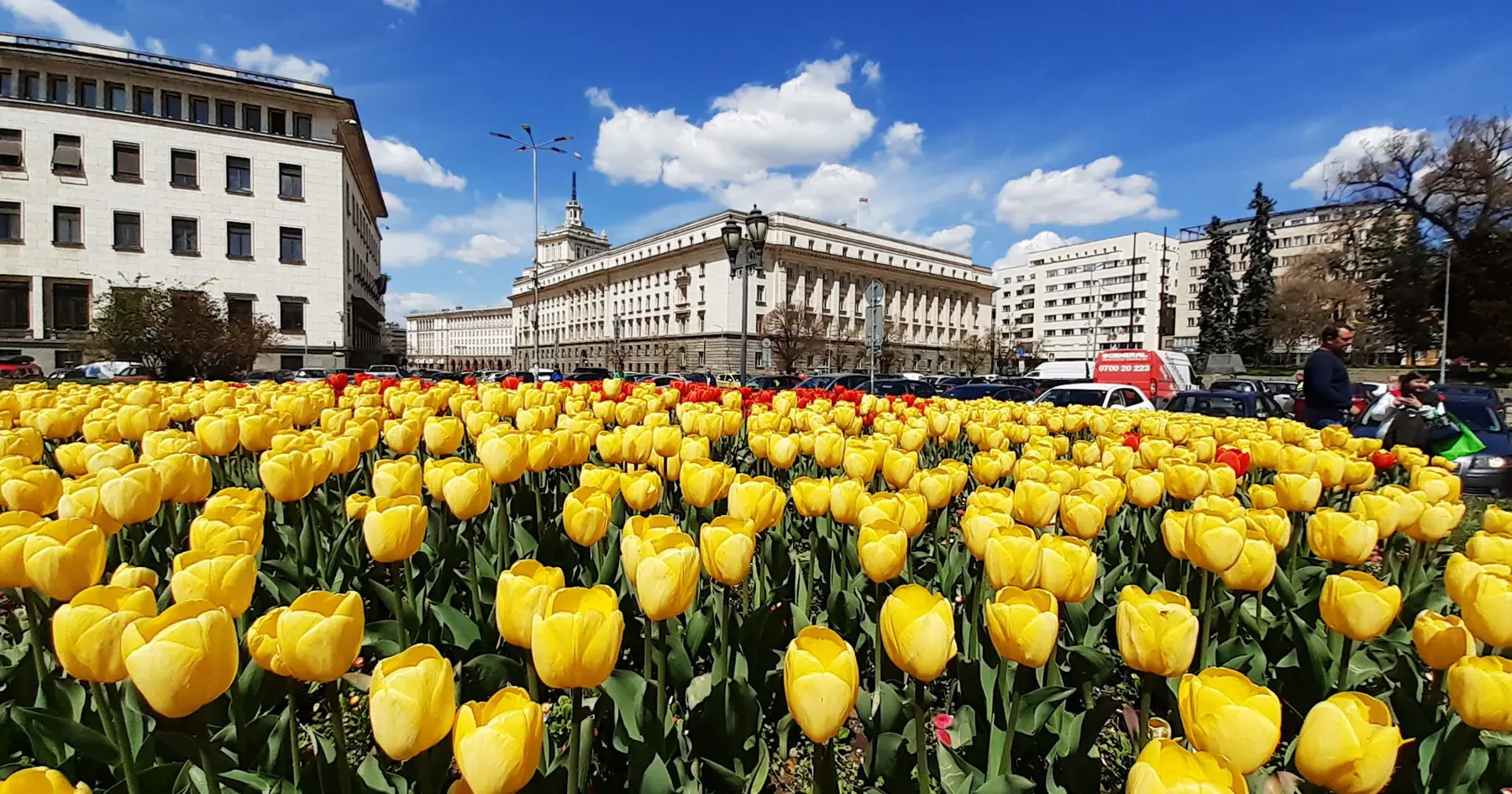
If you're planning your first trip to Southeast Europe, one question comes up almost immediately: what countries are actually included in a Balkan tour? It's a fair question — "the Balkans" isn't a single country, and different operators draw the map differently. This guide explains which nations make up the region, how many you can realistically visit in one trip, and what a well-designed multi-country route looks like.
Where are the Balkans?
The Balkan Peninsula sits in Southeast Europe, bordered by the Adriatic, Ionian, Aegean and Black seas. The name comes from the Balkan mountain range that runs across Bulgaria. What makes the region so rewarding to travel is its density: within a few hours' drive you cross from Ottoman old towns to Habsburg squares, from Orthodox monasteries to Adriatic beaches, and from one language and alphabet to another.
That variety is exactly why we've built our tours around crossing borders rather than staying in one place. Since 2014 we've been running private and small-group Balkan tours that connect the region's highlights into one seamless journey.
The countries usually included in a Balkan tour
Most Balkan itineraries draw from these nations. Here's what each one brings to the table:
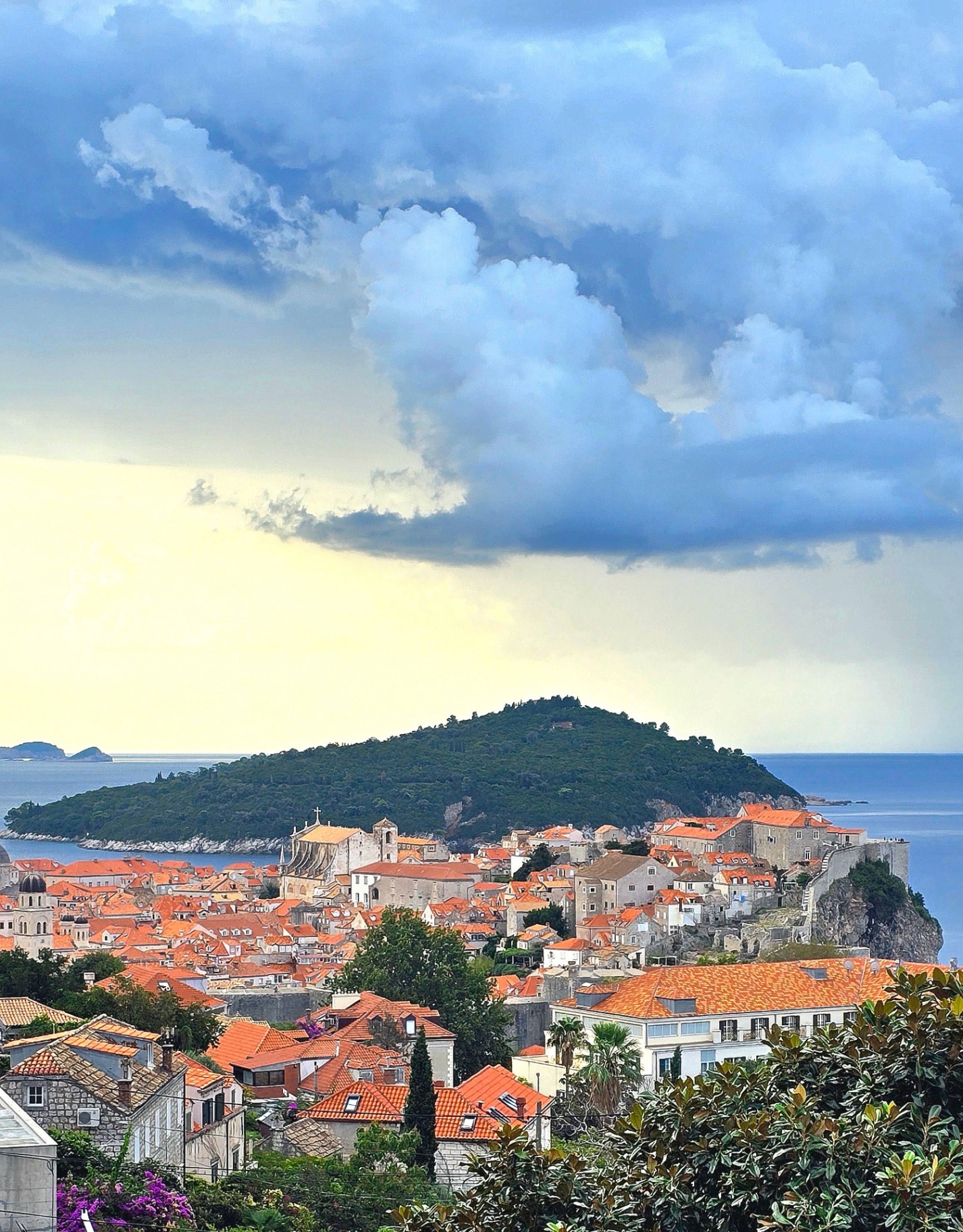
- Croatia — The Adriatic star: Dubrovnik's medieval walls, Split's Diocletian's Palace, and the waterfalls of Plitvice Lakes.
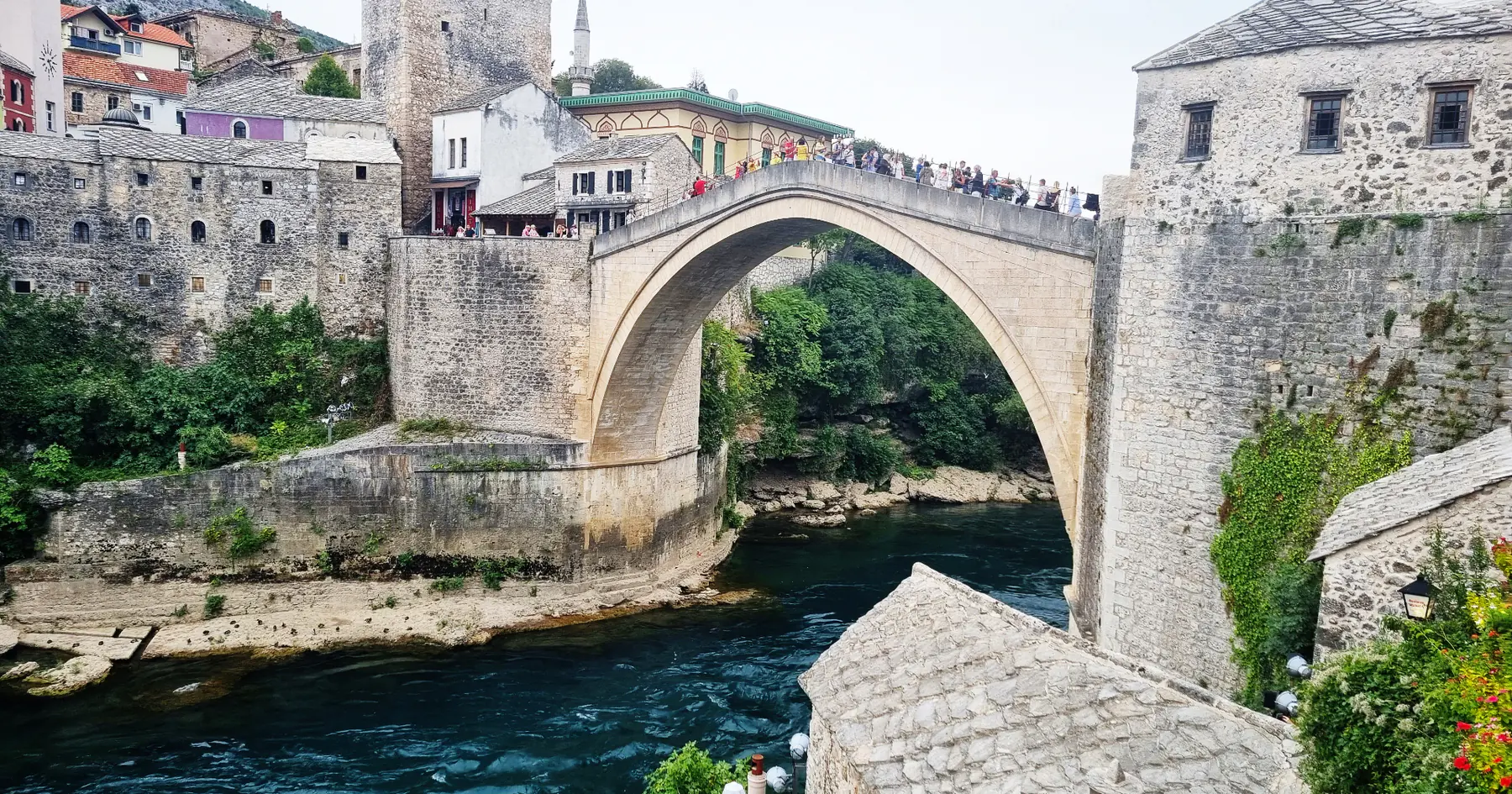
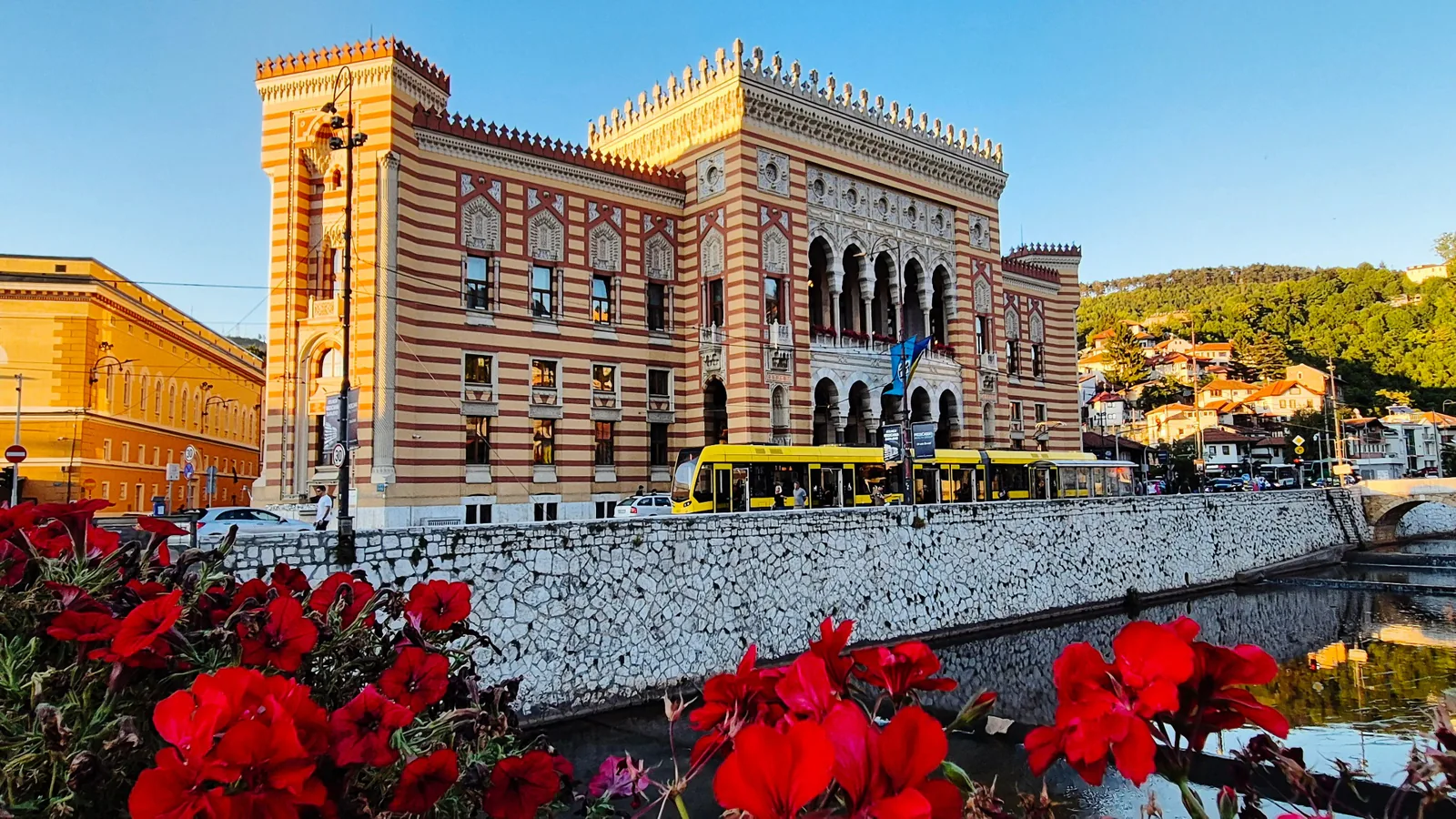
- Bosnia & Herzegovina — Layered and moving: Sarajevo's East-meets-West old town and its siege history, plus the iconic bridge at Mostar.
- Montenegro — Small but dramatic: the Bay of Kotor, clifftop Ostrog Monastery, and the peaks of the Dinaric Alps.
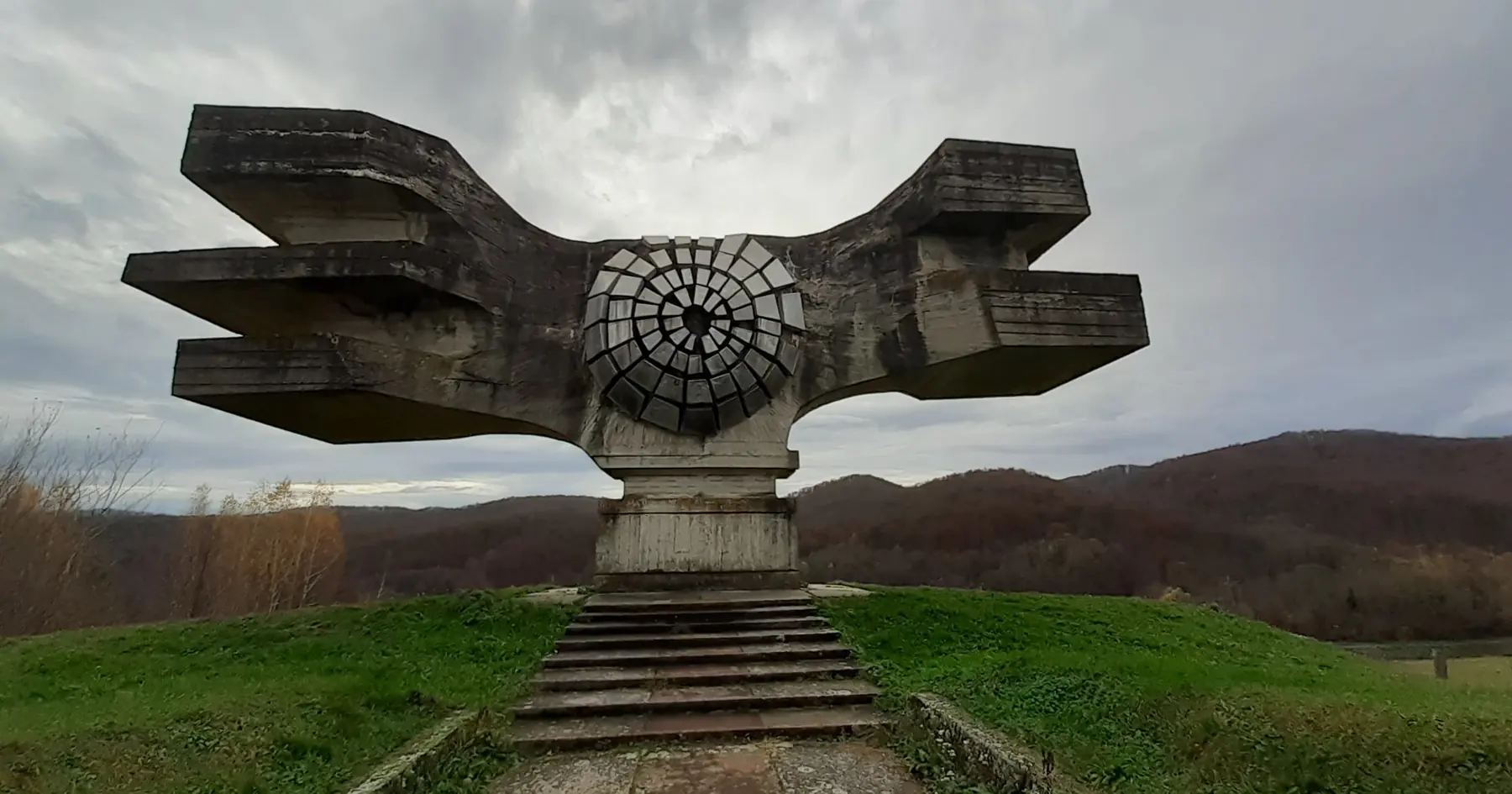
- Serbia — Belgrade's energy and the country's deep Yugoslav-era heritage.
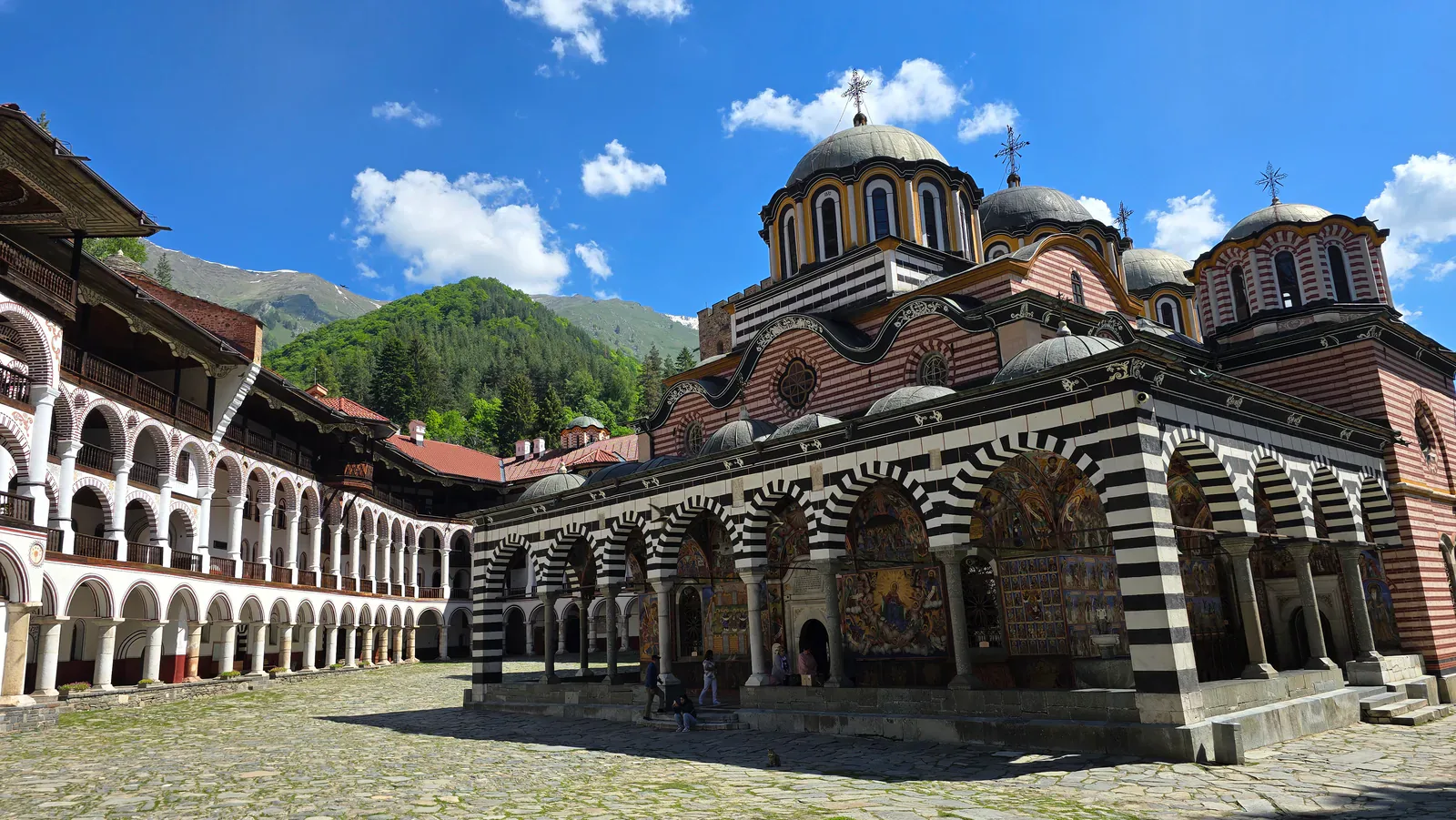
- Bulgaria — Ancient Plovdiv (one of Europe's oldest cities), the UNESCO-listed Rila Monastery, and rose-oil valleys.
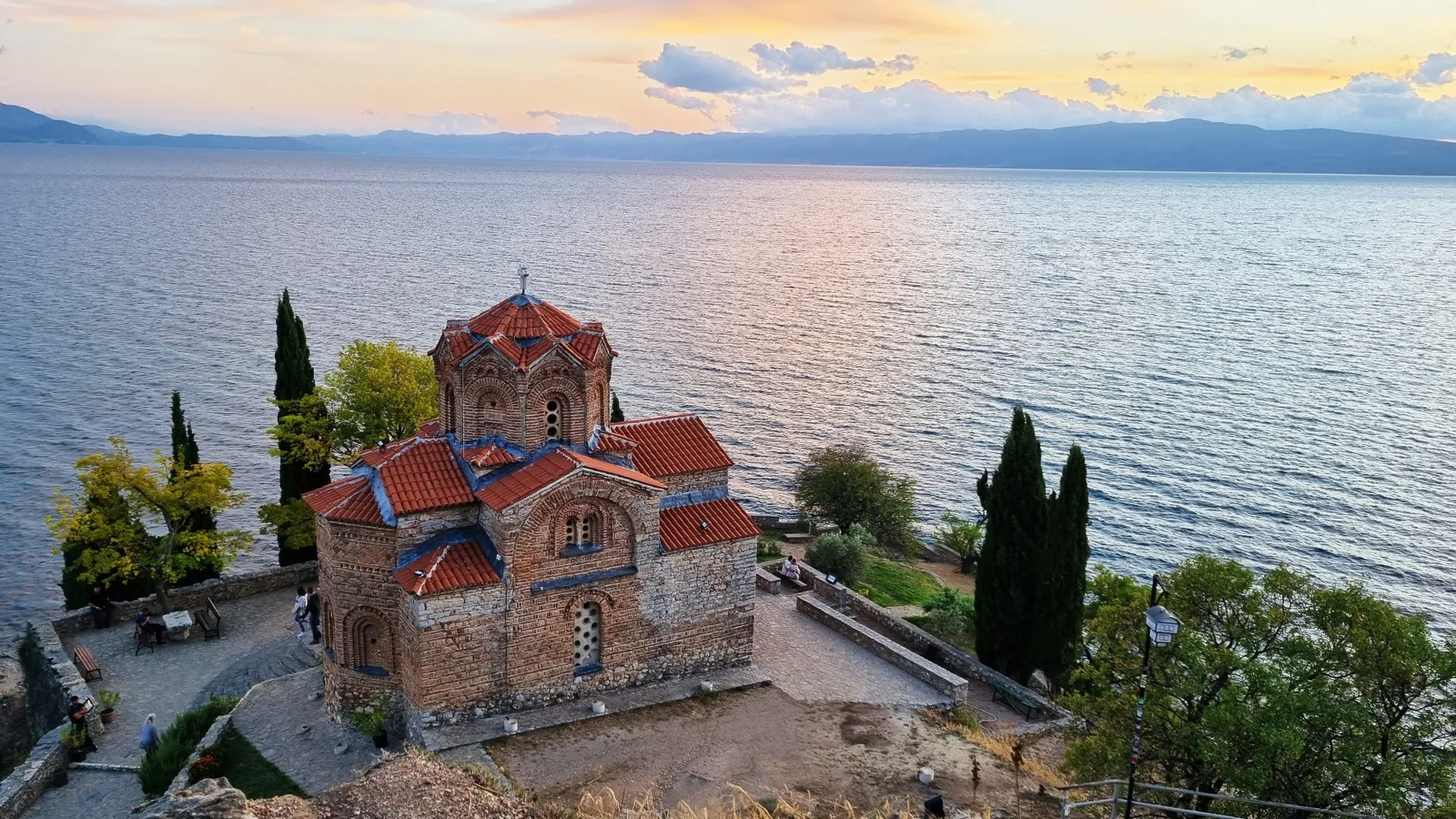
- North Macedonia — Lake Ohrid, statue-filled Skopje, and centuries of Ottoman and Orthodox heritage.
- Kosovo — Europe's youngest country, with the charming old town of Prizren.
- Slovenia — Fairytale Lake Bled and the elegant little capital, Ljubljana.
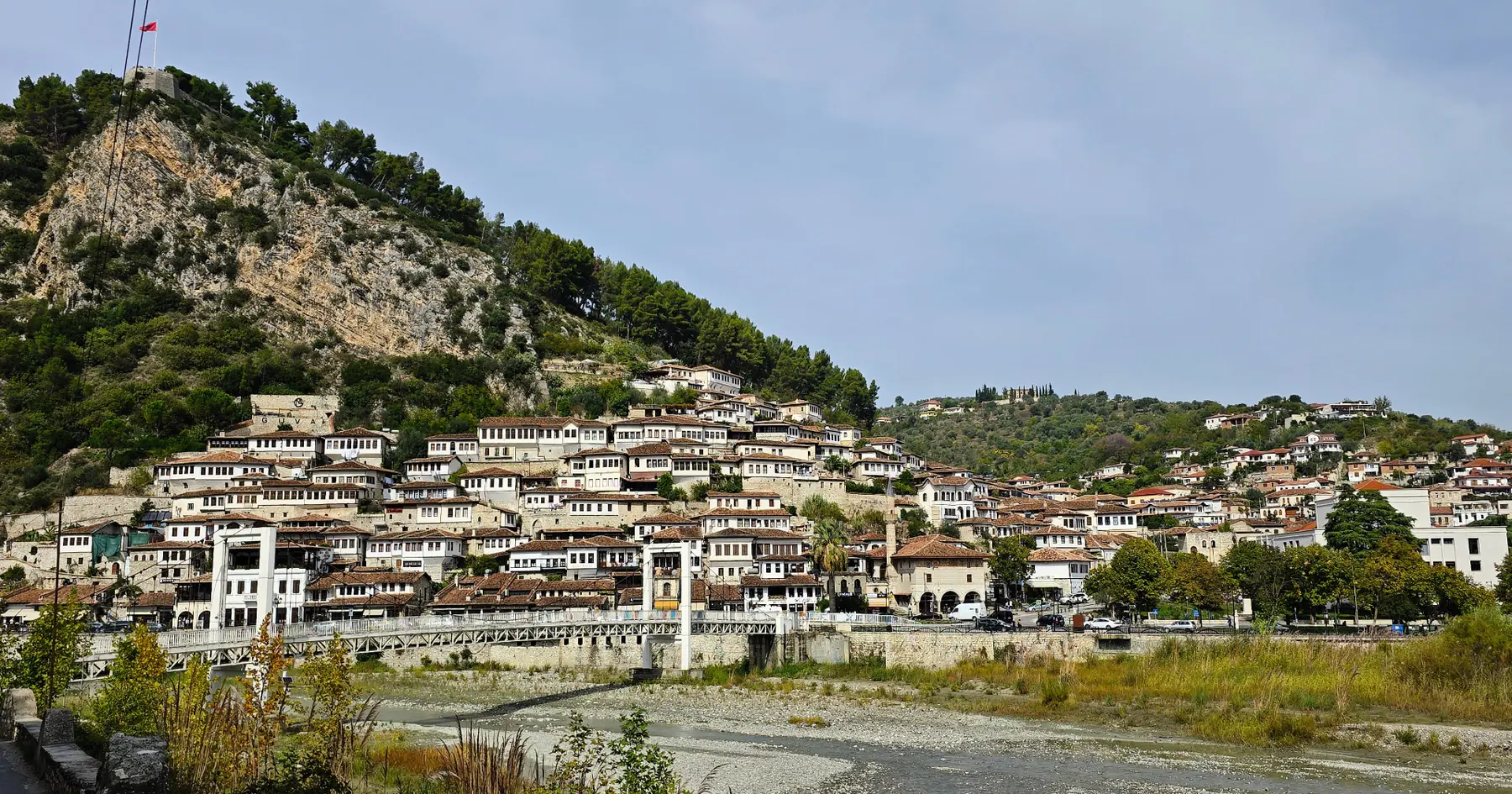
- Albania — Rugged, warm and under-visited, with Ottoman towns and a stunning Riviera.
Depending on how you define the region, Greece, Romania, and Slovenia are sometimes grouped in as well. You can see the full list on our destinations page.
How many countries can you visit in one trip?
This is where planning matters. Travelers often overestimate how much they can cover — or, conversely, underestimate how efficient the Balkans are to tour by road. Because the countries are compact and the borders are close together, a two-week itinerary can comfortably include seven countries without feeling rushed.
The sweet spot for most first-time visitors is 6 to 7 countries over 12–14 days. That's enough time to see the signature sights, spend a full day in the major cities, and still enjoy the small detours — a mountain monastery, a family-run konoba, a quiet stretch of coast — that make the region special.
If you have only a week, it's better to focus on three or four neighbouring countries than to sprint through eight. Quality of experience always beats ticking boxes.
A proven 7-country route
Our flagship 14 Days Balkan Tour is the clearest answer to "how many countries can I see?" It crosses seven — Bulgaria, North Macedonia, Kosovo, Montenegro, Bosnia & Herzegovina, Croatia and Slovenia — and takes in six capital cities and six UNESCO World Heritage sites along the way.
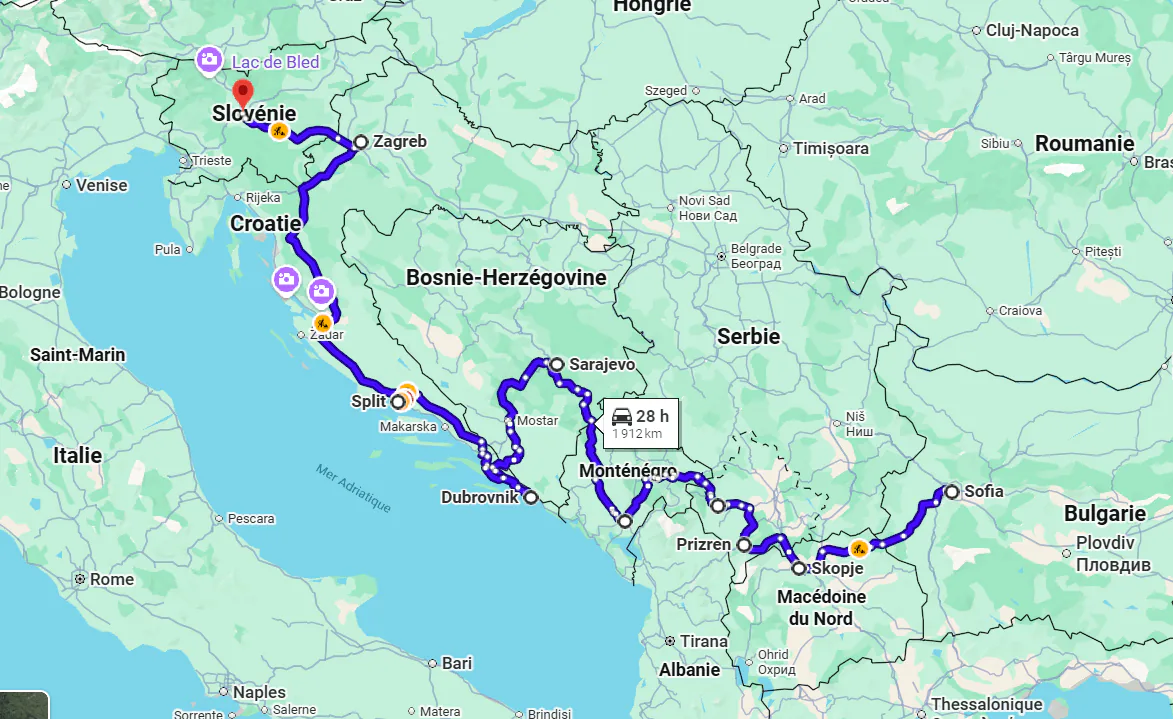
The route runs from Sofia and ancient Plovdiv, through the Rila Monastery, Skopje and Prizren, over the Dinaric Alps to Montenegro's Ostrog Monastery, into Sarajevo and Mostar, then up the Adriatic through Dubrovnik and Split to the Plitvice Lakes, Zagreb, Ljubljana and Lake Bled. It's designed to be suitable for all ages and fitness levels, and — like all our trips — it's fully customizable.
Do you have to follow a fixed list of countries?
Not at all. One of the advantages of a private, tailor-made tour is that the country list is yours to shape. Want to swap Slovenia for more time in Albania? Add a themed detour through the former Yugoslavia? Concentrate on a single country in depth? All of that is possible when a local team builds the route around your interests rather than a fixed coach schedule.